



Behind The Light: A Closer Look At The Details That Shape A HILAX Panel
The front of a red light panel is simple by design: a clean surface, a measured arrangement of LEDs, and light that becomes part of a personal routine. But the object in front of you is shaped by more than its illuminated face.
At HILAX, we believe that a considered product experience begins with the details that remain visible long after the first impression. The panel profile. The way a surface meets a handle. The spacing of the light field. The material transitions that allow an object to feel intentional in a home, a studio, or a dedicated wellness space.
This is a closer look at three real moments behind the finished HILAX form.

The Rhythm Of An Illuminated Surface
An illuminated panel is not only a source of light. It is also a visual field: a repeated pattern of lenses, surfaces, and structure arranged to create a clear, composed presence.
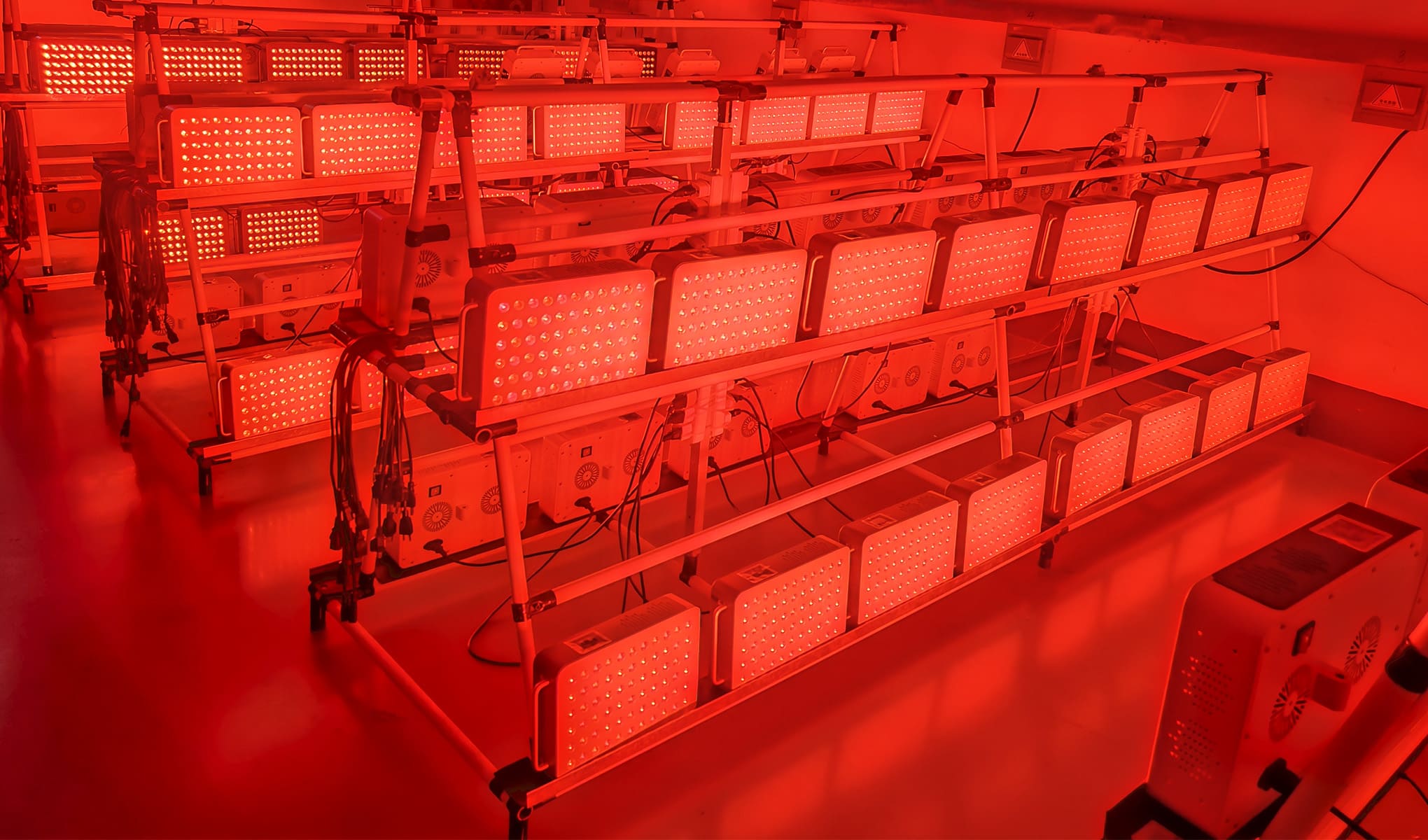
The first image shows a real HILAX light-on environment. It is a candid view of several panels in operation, where the geometry of the light field becomes immediately visible. Repetition matters here. A consistent visual rhythm allows the surface to read as one object rather than a collection of disconnected components.
This perspective is also a reminder that a red light panel belongs in a real setting. It may be switched on during a quiet morning, between meetings, after movement, or at the end of the day. The product should feel purposeful when it is in view—not like equipment that needs to be hidden away after use.
For HILAX, that means considering the complete visual experience: the panel’s silhouette, the way the light appears from a distance, and the relationship between its form and the surrounding space.

Form That Belongs In View
Products used repeatedly become part of a visual landscape. They are seen in the corner of a room, beside a chair, against a wall, or near the routines that shape a day. That is why form matters beyond first impression.
The second image brings the HILAX object into focus. It shows the branded face detail, the neutral body, the handles, and the lens arrangement across multiple panels. These elements are simple on their own. Together, they establish an identity that is technical without becoming cold, and distinct without relying on excess.
We approach the HILAX visual language with restraint. The body is designed to feel calm. The illuminated face provides the focus. The brand mark is present, but not overstated. The handles remain practical while contributing to the overall silhouette.
That restraint leaves room for the user. A personal routine should not need to work around a product that is visually noisy or overly complicated. It should feel possible to make a little space, turn on the light, and return to a moment that is your own.
The intention is simple: to create a panel that can live in view with the same ease that it fits into a routine.

Behind The Finished Surface
The face of a panel is only the part that meets the eye. Behind it is another kind of architecture: interior space, component placement, wiring paths, and the practical structure required to bring the finished object together.
The third image is a direct inside view of a HILAX panel during assembly. It shows the interior before the finished exterior is closed. The visual language is different from the calm surface of the completed panel. It is more functional, more immediate, and more revealing of the physical space behind the light field.
That contrast is meaningful. A finished panel should feel resolved from the outside. Yet its finished presence depends on the less visible decisions behind it. The exterior and interior are not separate stories; they are different views of the same object.
We believe that coherence matters. The light field, the product form, the handles, the surface details, and the interior space should belong to one considered whole. This is not about making every detail visible. It is about giving the details that remain visible a sense of purpose.
The Ritual Is Personal
There is no single way to build a light ritual. Some people prefer a quiet start to the day. Some make time after movement. Some create a pause between work and the rest of life. The setting changes, the timing changes, and the routine changes with it.
What remains is the value of an experience that feels easy to return to.
That is the perspective behind HILAX. We design for a modern relationship with light—one that values clarity over noise, presence over performance, and details that feel considered rather than excessive.
The panel is part of that experience, but it is not the whole of it. The atmosphere you create, the rhythm you choose, and the space you make for yourself all matter just as much.
Light becomes more meaningful when it is given a place in your life.
A Closer Look Changes The Experience
The three images in this journal entry show three perspectives on the same HILAX object. The illuminated environment reveals the rhythm of the light field. The product detail reveals the form that enters a space. The internal view reveals the structure behind the completed surface.
Together, they tell a quieter story about design: the objects we use often are shaped by both what we see and what we do not. The details are not an afterthought. They are part of the experience.
Explore the HILAX collection and find the panel size that fits your space, your routine, and the moments you choose to keep.
Share:
Red Light Therapy for Women Over 40: What the Science Actually Says